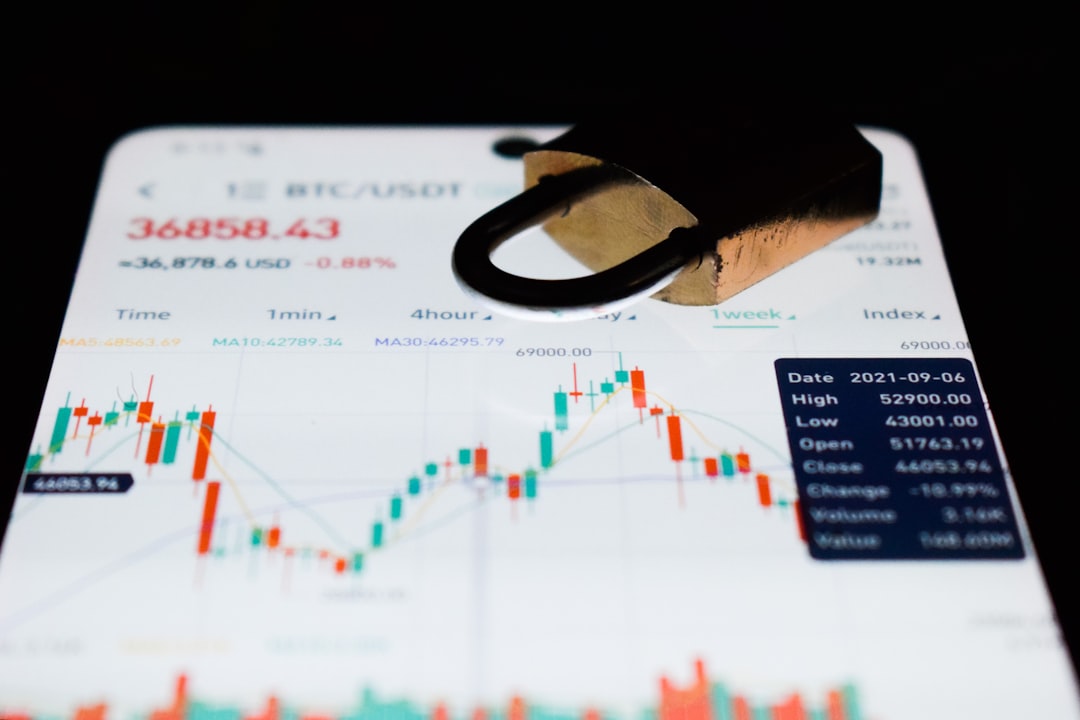
The debate between cryptocurrency and forex trading splits Indian trading communities right down the middle. Crypto evangelists point to Bitcoin 10x returns over 5-year cycles and the 24/7 market access. Forex veterans counter with deep institutional liquidity, proven technical analysis reliability, and regulatory clarity. The truth is that both markets offer genuine profit opportunities, and the right choice depends entirely on your risk tolerance, time horizon, regulatory comfort, and trading style. Here is an objective comparison from the perspective of an Indian trader navigating both landscapes in 2026.
Volatility and Return Potential
Bitcoin averaged 60 to 80 percent annualized volatility over the past decade compared to 8 to 12 percent for EUR/USD. In practical terms, BTC/USD can move 5,000 to 10,000 USD in a week while EUR/USD moves 100 to 200 pips (1 to 2 percent). The crypto volatility creates both spectacular return opportunities and devastating loss potential. A Rs 1 lakh crypto portfolio can double or halve within months. A Rs 1 lakh forex account with responsible leverage produces steadier but less dramatic returns.
Forex compensates for lower raw volatility through leverage. A 1:100 leveraged EUR/USD position achieves effective volatility comparable to spot crypto exposure. However, leveraged forex losses are amplified equally. The key difference is that forex leverage is a choice you control from 1:1 to 1:500, while crypto volatility is inherent in the asset. Indian traders should match their leverage and market choice to their psychological tolerance for drawdowns.
Historical risk-adjusted returns favor forex for consistent income generation and crypto for long-term wealth multiplication. A disciplined forex trader targeting 3 percent monthly returns on leveraged positions can compound capital steadily. A crypto investor buying BTC during bear market accumulation phases and holding through bull cycles has historically achieved superior absolute returns but with multi-year holding periods and 50 to 80 percent drawdowns along the way.
Broker Comparison at a Glance
| Broker | Min Deposit | Spreads From | Leverage | Rating |
|---|---|---|---|---|
| Exness | $1 | 0.0 pips | 1:2000 | 9.5/10 |
| XM | $5 | 0.6 pips | 1:1000 | 9.0/10 |
| AvaTrade | $100 | 0.9 pips | 1:400 | 8.5/10 |
Regulation and Legal Status in India
Forex trading through SEBI-registered domestic brokers on NSE currency derivatives is fully legal and regulated. Trading through international brokers like XM and Exness under the LRS framework operates in a gray area that is widely practiced and generally accepted. See our RBI regulations guide for detailed analysis. For a detailed breakdown of fees and features, see our XM broker review for Indian traders.
Cryptocurrency regulation in India has stabilized following the 2022 introduction of the 30 percent flat tax on crypto gains and 1 percent TDS on crypto transactions above Rs 10,000. Crypto is not illegal but carries a punitive tax structure that significantly impacts trading profitability. The 30 percent tax applies regardless of your income slab, and crypto losses cannot be set off against other income or even other crypto gains from different transactions. Learn more in our commodity trading in Asia.
The regulatory advantage clearly favors forex. Forex trading profits are taxed at your slab rate (potentially lower than 30 percent) with the ability to set off losses against other business income. Crypto tax inflexibility penalizes active traders who generate many small gains and losses throughout the year. For active trading, forex regulatory treatment is substantially more favorable in the Indian context.
Market Hours and Accessibility
Crypto markets operate 24/7/365 with no closing hours, weekends, or holidays. This continuous access suits Indian traders who want to trade during any hour. However, 24/7 trading creates pressure to monitor positions constantly and can lead to overtrading and sleep deprivation. The absence of a market close means there are no defined session boundaries for strategic planning.
Forex markets trade 24/5 (Sunday 17:00 EST to Friday 17:00 EST), which translates to Monday 03:30 IST to Saturday 03:30 IST. The 48-hour weekend closure provides necessary rest and planning time. The three major sessions (Tokyo, London, New York) create defined volatility windows that Indian traders can target based on their schedule. This structured timing supports disciplined trading routines. See our trading hours guide.
For Indian traders with daytime jobs, crypto 24/7 market may seem advantageous but often leads to trading during low-quality hours when you are tired or distracted. Forex structured sessions encourage focused trading during the highest-quality hours. The London session from 13:30 to 22:30 IST provides an ideal evening trading window for Indian professionals.
Trading Infrastructure and Brokers
Forex infrastructure is mature and standardized. MetaTrader 5 is the universal platform with decades of development, extensive indicator libraries, and Expert Advisor automation. Brokers like XM, Exness, and AvaTrade provide institutional-grade execution, regulated fund segregation, and established withdrawal processes. The ecosystem is well-tested and reliable.
Crypto infrastructure has improved but remains less standardized. Exchanges vary widely in security, liquidity, and reliability. Indian crypto exchanges like WazirX, CoinDCX, and CoinSwitch offer INR deposits but have experienced outages during volatile periods. International exchanges like Binance offer broader instrument selection but face evolving regulatory relationships with India. Hardware wallet custody adds security complexity absent in forex. Related reading: crude oil trading guide.
For Indian traders, forex broker infrastructure offers a more stable and predictable trading environment. Deposits via UPI to XM or Exness are instant, withdrawals are processed within minutes to hours, and platform stability during volatile events is superior to many crypto exchanges that have historically restricted trading during extreme volatility.
Which Should You Choose?
Choose forex if: you prefer consistent income generation from short-term trading, you value regulatory clarity and favorable tax treatment, you trade during defined sessions with disciplined routines, you are comfortable with leveraged positions on regulated platforms, and you prioritize capital preservation over moonshot returns.
Choose crypto if: you have a long time horizon of 3 to 5 years or more, you believe in the fundamental value proposition of blockchain technology, you can tolerate 50 to 80 percent portfolio drawdowns without panic selling, you prefer unleveraged spot investing with asymmetric upside, and you accept the punitive 30 percent tax as the cost of participation in an emerging asset class.
Choose both if: you want maximum diversification across asset classes, you can allocate capital to a forex trading account for active income and a crypto portfolio for long-term growth, and you have the discipline to maintain different strategies for different time horizons. Allocate 60 to 70 percent to active forex trading on XM or Exness and 30 to 40 percent to long-term crypto accumulation as a pragmatic dual approach.
The 3 tools I use to trade crypto in India
Bitget for execution (FIU-IND registered, automatic tax statements). MEXC for altcoin access (2,800+ tokens, India accepted). Koinly for 30% VDA tax + 1% TDS compliance. The stack built around India's regulatory reality.
See My India StackFrequently Asked Questions
Is crypto or forex more profitable for Indian traders?
Forex offers more consistent monthly profits through leveraged trading with favorable tax treatment. Crypto offers higher absolute return potential over multi-year cycles but with extreme volatility and 30 percent flat tax on gains. For active trading income, forex is generally more profitable on a risk-adjusted basis.
Can I trade both crypto and forex?
Yes. Many Indian traders maintain a forex account on XM or Exness for active trading and a separate crypto portfolio on an Indian exchange for long-term holding. The key is treating them as distinct strategies with different time horizons and risk parameters. Learn more in our oil trading in Asian markets.
How is crypto taxed differently from forex in India?
Crypto gains are taxed at a flat 30 percent regardless of income slab, with no loss offset permitted. Forex profits from international brokers are taxed at your applicable slab rate with potential loss offset against other business income. The tax treatment significantly favors forex for active traders.
Which market is safer for beginners?
Forex is safer for beginners due to regulated brokers with negative balance protection, lower inherent volatility, established educational resources, and demo account practice. Crypto raw volatility and custody complexity present additional challenges for new traders.
Risk Disclaimer: Trading involves high risk. Educational content only. Contains affiliate links.