Every Indian trader has heard of Dalal Street, but few understand what it actually is in 2026. The physical trading floor at BSE closed years ago, replaced by electronic terminals. Yet Dalal Street remains the beating heart of Indian markets. Thousands of traders, brokers, sub-brokers, and market operators still congregate in the lanes around BSE every trading day. This guide takes you inside the real Dalal Street, not the one from Bollywood, and shows retail traders how to tap into the culture, networks, and knowledge that still flows through Mumbai's most famous street.
Table of Contents
Dalal Street: A 150-Year History
The story of Dalal Street begins in 1875 when Premchand Roychand and four other brokers established the Native Share and Stock Brokers Association under a banyan tree near Horniman Circle. The tree, now gone, stood where BSE's iconic building exists today. The word dalal itself means broker in multiple Indian languages, giving the street its name.
Through 150 years, Dalal Street has survived the Harshad Mehta scam (1992), the Ketan Parekh fraud (2001), the global financial crisis (2008), and the COVID crash (2020). Each crisis reshaped the street but never killed it. The traders who survived these events carry institutional knowledge that no algorithm or course can replicate.
Today, BSE is the world's 10th largest exchange by market capitalization. The building at 25, Phiroze Jeejeebhoy Towers, Dalal Street, Mumbai 400001 still hosts broker offices, the BSE museum, and occasional investor events. But the real action happens in the cafes, offices, and lanes surrounding it.
Dalal Street in 2026
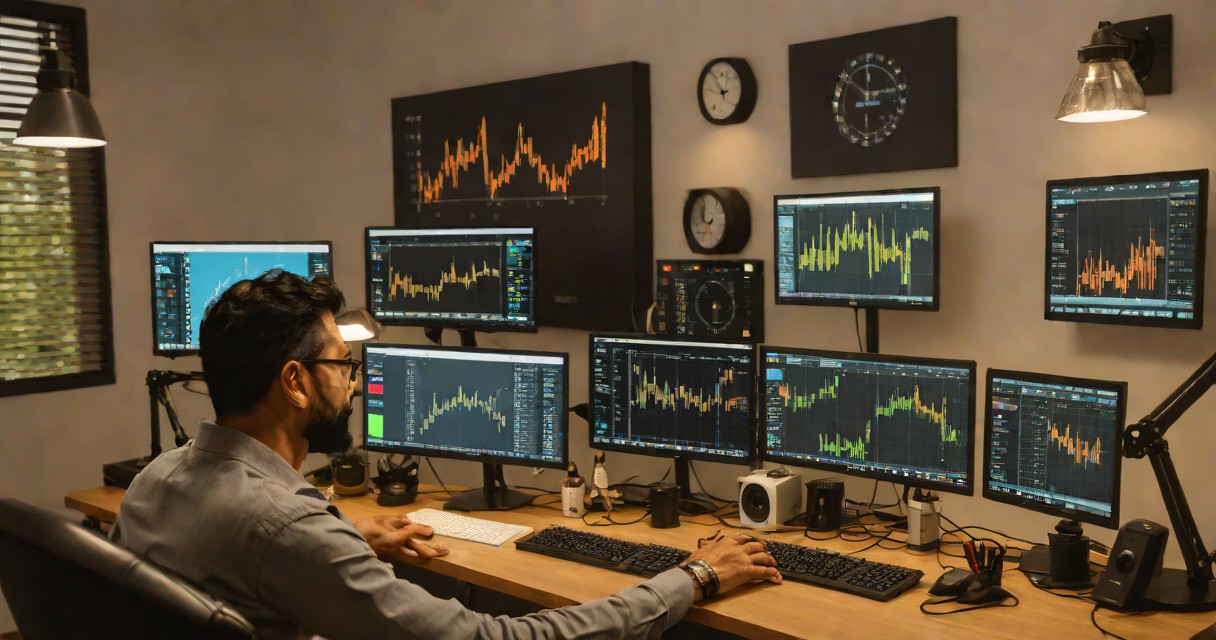
Walk down Dalal Street on any weekday morning and you will see a fascinating mix of old and new India. Senior traders in their 60s and 70s sit in cramped offices on the first and second floors of colonial-era buildings, watching multiple terminals while assistants manage orders. Next door, a 25-year-old is running a algo-trading setup from a laptop, coding Python strategies while sipping cutting chai from a street vendor.
The sub-broker ecosystem is still alive on Dalal Street, though shrinking. Before discount brokers like Zerodha disrupted the industry, Dalal Street had hundreds of sub-broker offices where clients would physically come to place orders. Today, about 50-60 still operate, mostly serving older clients who prefer the personal touch.
The area between BSE and Horniman Circle has evolved into an informal trading community center. Traders gather at Cafe Mondegar, Leopold Cafe, and several smaller chai stalls to discuss markets between 8 AM and 10 AM, then again during the lunch break around 1 PM. These gatherings are free, open, and remarkably informative.
Visiting BSE: What to Expect
| What | Details | Cost | How to Access |
|---|---|---|---|
| BSE Building Tour | Guided tour of trading floor (now museum) | Free | Register on BSE website |
| BSE Investor Events | Quarterly investor awareness programs | Free | BSE investor portal registration |
| Dalal Street Walk | Self-guided walk through the financial district | Free | Start at BSE, walk to Horniman Circle |
| BSE IPO Center | Physical center for IPO applications | Free | Ground floor, BSE building |
| SEBI Grievance Office | File complaints in person | Free | SEBI Bhavan, BKC (not Dalal Street) |
The BSE museum inside Phiroze Jeejeebhoy Towers is worth a visit for any serious trader. It houses original trading pit artifacts, historical share certificates, and interactive displays about the evolution of Indian markets. Tours are typically available on weekdays by prior registration through BSE's website.
Local Trading Culture
Dalal Street's trading culture is deeply influenced by the Gujarati business community, which has dominated Mumbai's financial landscape since the city's founding. Key cultural elements include:
Mukhvas Trading (Mouth Freshener Trading): A colloquial term for small-stakes speculative trading done for entertainment. Many seasoned traders on Dalal Street allocate a small portion of their capital (Rs 10,000-50,000) to high-risk bets, treating it like mukhvas, a small indulgence after a meal.
The Grapevine Network: Information flows fast on Dalal Street. Traders share tips, institutional flow data, and market rumors through personal networks. While much of this is noise, experienced traders learn to filter signal from gossip. The grapevine often anticipates institutional moves 30-60 minutes before they show up on the tape.
Margin Trading Discipline: Veterans of the 2008 crash and the 2020 COVID crash emphasize never using more than 50% of available margin. This conservative approach has kept many Dalal Street traders alive through multiple market cycles while aggressive newcomers blow up.
The Broker Scene Around Dalal Street
Within a 500-meter radius of BSE, you will find offices of virtually every major Indian broker plus several niche firms:
Full-service brokers: Motilal Oswal, Kotak Securities, HDFC Securities, and Axis Direct all have branches in the Fort area. These cater to HNI clients who want personal relationship managers and research access.
Discount broker support: While Zerodha's main office is in Andheri, several authorized partners operate near Dalal Street for in-person account opening and support.
International forex brokers: For traders wanting to trade forex pairs, commodities, and international markets, brokers like Exness and XM can be accessed from anywhere with an internet connection. Many Dalal Street traders have started exploring forex trading during London session hours (6:30 PM IST onwards) to complement their daytime equity trading.
Lessons from Dalal Street Veterans
We spoke with five traders who have been operating from Dalal Street for over 20 years each. Here are their collective lessons:
Lesson 1: Survival beats returns. A trader who makes 15% annually for 30 years beats one who makes 100% for 3 years then blows up. The Dalal Street veterans all prioritize capital preservation above everything.
Lesson 2: The market humbles everyone. Every veteran has a story of a devastating loss. Harshad Mehta era, dot-com bubble, 2008, demonetization, COVID. The common thread: those who survived had position sizing discipline.
Lesson 3: Relationships are worth more than information. The best trades often come from having the right network. A trusted relationship with a broker who gives you honest fills, a CA who optimizes your trading taxes, and fellow traders who share genuine insights compound over decades.
Lesson 4: Markets change, human nature does not. Whether it is the 1992 Harshad Mehta rally or the 2024 election rally, greed and fear drive the same patterns. Technical analysis works because it maps human behavior, not because of magic lines on a chart.
Lesson 5: Diversify across markets. The smartest Dalal Street traders do not just trade Indian equities. They have exposure to gold (physical and MCX), international forex through platforms like Exness, real estate, and fixed deposits. No single market should be your only source of income.
Frequently Asked Questions
Can retail traders visit Dalal Street?
Yes. Dalal Street is a public road in Mumbai's Fort area. You can walk through freely. The BSE building offers guided tours by prior registration. The surrounding cafes and chai stalls are open to everyone. Many informal trader meetups happen in the area.
Is Dalal Street still relevant in 2026?
Absolutely. While physical trading floors are gone, Dalal Street remains the cultural and institutional center of Indian markets. BSE, major broker offices, SEBI-registered advisors, and the richest trading community in India are all concentrated in this area.
How do I connect with Dalal Street traders?
Visit the area during morning hours (8-10 AM) and strike up conversations at local cafes. Join Telegram groups like Dalal Street Retail Traders (15,000+ members). Attend BSE investor events. The community is surprisingly open to newcomers who show genuine interest.
What markets do Dalal Street traders focus on?
Primary focus is NSE F&O (Nifty and Bank Nifty options), followed by equity delivery trades. An increasing number also trade forex through international platforms like Exness and XM during evening London and New York sessions.