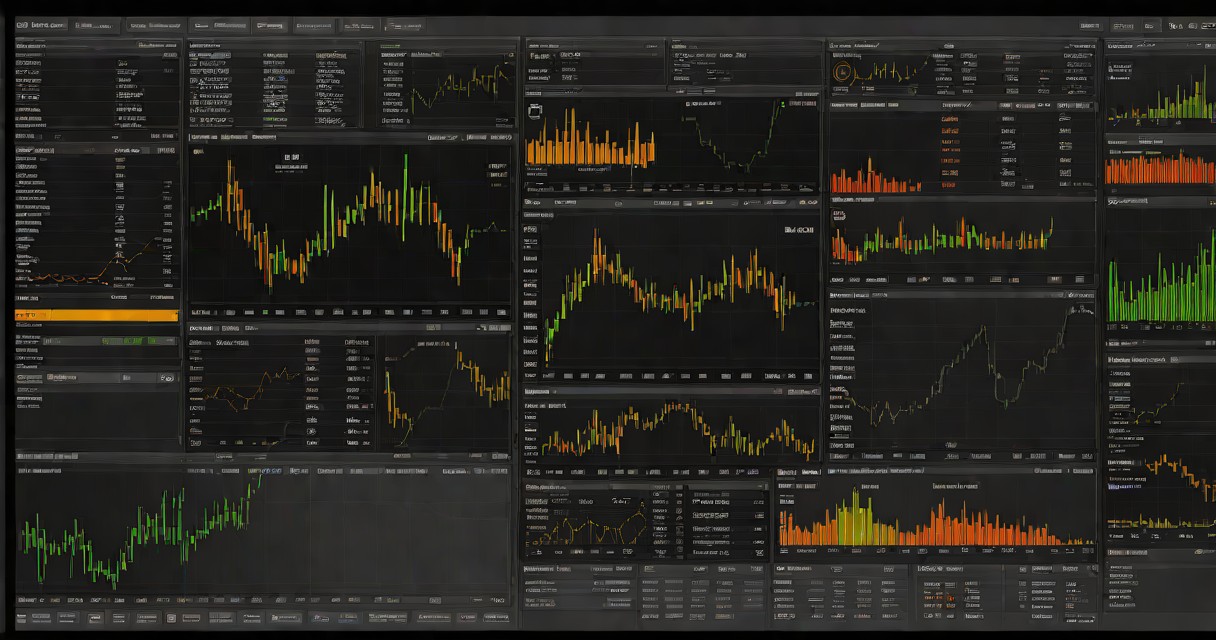
The Tokyo session from 05:30 to 14:00 IST offers Indian early-risers a genuine edge that most of their Western competitors cannot access. While traders in London and New York are sleeping, Indian morning traders have clear charts, moderate volatility, and the exclusive company of Japanese, Australian, and Southeast Asian institutional flow. Building a disciplined morning routine around the Tokyo session creates a trading practice that fits naturally into the Indian daily schedule, with analysis done over morning tea and trading completed before lunch.
Pre-Market Preparation: 06:00 to 06:15 IST
Wake up and check overnight developments before opening your charts. Scan major news headlines for events that occurred during the New York session after you stopped trading. Check Nikkei 225 futures for the Asian equity market open direction. Note the DXY (US Dollar Index) closing level from the previous session. This 5-minute information scan provides context for the morning session price action.
Open your MT5 platform on XM or Exness and review the daily chart of your primary pairs: USD/JPY, AUD/USD, and AUD/JPY. Note where price closed relative to the daily 20 and 50 EMA. Identify the nearest support and resistance zones from the daily chart. Mark these zones on your H1 chart as the primary decision levels for the morning session. For a detailed breakdown of fees and features, see our XM broker review for Indian traders.
Check the economic calendar for Asian session releases: Japan GDP, Tankan survey, Australian employment data, RBI announcements, China PMI data. If high-impact data is scheduled during your session, plan your positioning (avoid entry 30 minutes before, or set up for a data-driven trade if the event aligns with your strategy).
The First 30 Minutes: 06:15 to 06:45 IST
The first 30 minutes of your active trading window capture the continuation or reversal of overnight movements as Japanese institutional traders begin their day. On USD/JPY, the 06:00 to 06:30 IST candle on the M30 chart often defines the morning session direction. A strong bullish M30 candle closing near its high suggests buying interest that will likely continue through the morning. A doji or pin bar suggests indecision that favors range trading.
Do not take trades during this observation period. Watch how price interacts with your pre-marked daily support and resistance levels. Does it bounce off support with conviction, or does it slice through without hesitation? The quality of price interaction at key levels during the first 30 minutes provides the most valuable real-time information for the rest of your morning session. Related reading: forex risk management essentials.
Set up your trade ideas based on the first 30 minutes of price action. If USD/JPY is bouncing off daily support with bullish momentum, your plan is to buy on a pullback within the developing uptrend. If it is breaking through support with volume, your plan is to look for short entries on rallies to the broken support (now resistance). Having a plan before trading begins prevents reactive decision-making.
Core Trading Window: 06:45 to 11:30 IST
This is your active execution window. Trade USD/JPY and AUD/USD as your primary pairs during these hours. Spreads are tight (0.8 to 1.2 pips on XM), liquidity is adequate for retail position sizes, and price action is generally more orderly than during London hours. The moderate volatility (40 to 70 pip daily ranges during Asian hours) suits both scalping on M5 and short-term trading on M15 to H1.
The 9/21 EMA crossover on M15 with an H4 trend filter produces clean signals on USD/JPY during this window. Enter on crossovers in the H4 trend direction, stop at the opposite side of the 21 EMA, and target 1.5 to 2 times the stop distance. Expect 2 to 4 signals per morning with a win rate of approximately 55 percent. See our crossover strategy guide for detailed backtested results.
At 09:15 IST, the Indian equity market opens. If you also trade Nifty or BankNifty through a domestic broker, this creates a split-attention challenge. Dedicate primary focus to whichever market shows the clearest setup. Trying to scalp USD/JPY while simultaneously trading Nifty options degrades performance on both. Pick one as your morning primary and monitor the other passively.
Wind-Down Period: 11:30 to 12:00 IST
Between 11:30 and 12:00 IST, begin closing any remaining intraday positions. The approaching lunch hour reduces liquidity on Asian instruments, widening spreads and increasing the probability of choppy, directionless price action. Holding intraday positions through the lunch lull (12:00 to 13:30 IST) exposes you to unfavorable trading conditions without commensurate reward.
Use the final 30 minutes to record all morning trades in your journal. Note entry and exit prices, the setup that triggered each trade, your emotional state, and any deviations from your plan. This immediate journaling captures details that you will forget if you wait until evening. The journal is your improvement mechanism and deserves the same discipline as the trading itself. Learn more in our trading psychology guide.
Assess whether the morning session has used your daily risk budget. If you have hit 2 consecutive losses and are approaching your daily loss limit, close the platform and do not trade the afternoon London session. If you are profitable and well within your risk budget, you can optionally plan for London session continuation trading in the afternoon. Regardless, take at least a 1-hour break between the morning and afternoon sessions to maintain cognitive freshness.
Transitioning to London Session: Optional Afternoon Trading
Indian traders who are available in the afternoon can extend their trading day into the London session from 13:30 IST. This transition shifts your pair focus from USD/JPY and AUD/USD to EUR/USD and GBP/USD. The London open volatility expansion creates breakout opportunities from the morning Asian range. Mark the Asian session high and low before 13:30 IST and trade the London breakout as described in our trading hours guide.
The afternoon transition must be a conscious choice, not an automatic extension. If your morning session was stressful, produced losses, or left you emotionally drained, skip the afternoon entirely. The London session demands fresh cognitive capacity for its faster pace and higher volatility. Trading London with morning session fatigue compounds errors rather than recovering losses.
For traders who consistently trade both morning and afternoon sessions, maintain separate performance tracking for each. You may discover that your morning Tokyo session trading is consistently profitable while your afternoon London session produces breakeven or negative results (or vice versa). This data-driven insight lets you allocate your time and energy to the session where your edge is strongest.
Frequently Asked Questions
What is the best time to start trading in the morning from India?
06:00 IST aligns with the active Tokyo session. Spend 06:00 to 06:15 on preparation, observe the first 30 minutes of price action, and begin active trading from 06:45 IST onward. The core window is 06:45 to 11:30 IST.
What pairs should I trade in the morning from India?
USD/JPY is the primary morning pair due to Tokyo session liquidity. AUD/USD and AUD/JPY are secondary choices. Avoid EUR/USD and GBP/USD during morning IST hours as they are in their low-liquidity Asian session period. See also: common trading mistakes to avoid.
How many trades should I take per morning session?
Expect 2 to 4 quality setups per morning session on USD/JPY. Some mornings produce 0 valid setups, and the discipline to accept a zero-trade morning is essential. Maximum 5 trades per session to prevent overtrading.
Can I trade both Tokyo and London sessions?
Yes, but take at least a 1-hour break between sessions to prevent fatigue. Track performance separately for each session. Many traders find they perform better in one session and choose to specialize rather than trading both.
Risk Disclaimer: Trading involves high risk. Educational content only. Contains affiliate links.