Protect your trading from power cuts in India. UPS vs inverter comparison, battery backup duration, recommended models, and ensuring uninterrupted market access.
Table of Contents
Power Backup for Trading India
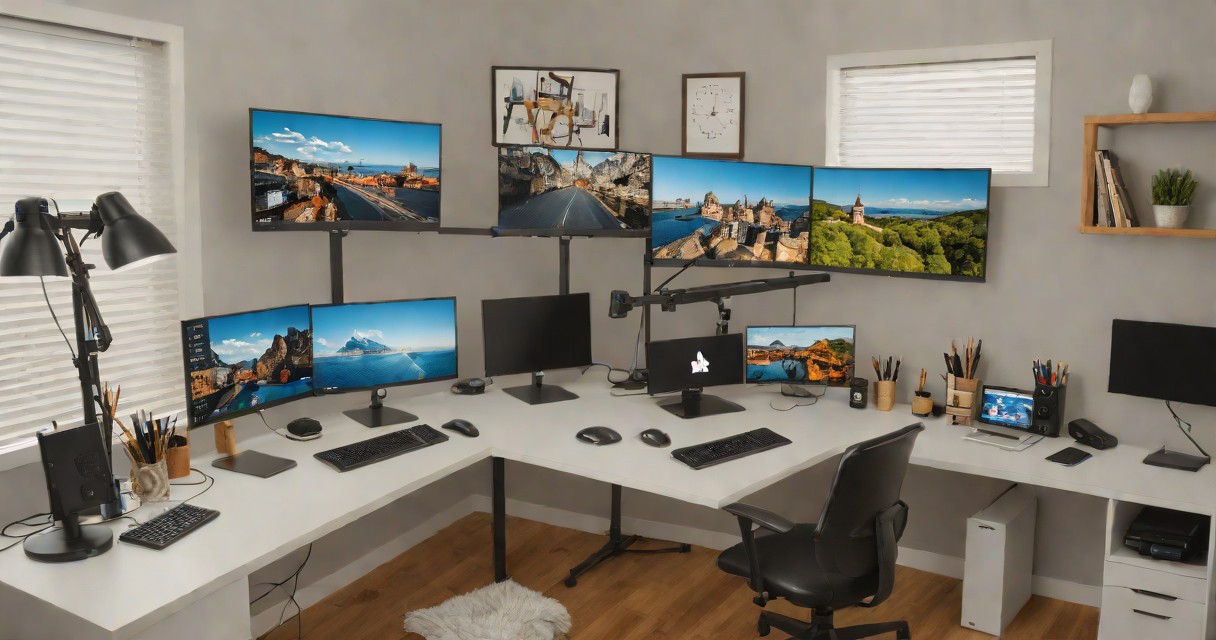
Your physical trading setup directly impacts your performance. Eye strain from a bad monitor, back pain from a cheap chair, or a trading session interrupted by a power cut can cost you real money through missed trades, slow reactions, and physical discomfort that affects decision-making. This guide helps you build an optimal setup within a practical Indian budget.
We focus on India-specific recommendations because product availability, pricing, power supply reliability, and internet infrastructure vary significantly from global recommendations. A trading setup guide written for the US market is of limited use to a trader in tier-2 India dealing with power cuts, 4G connectivity, and different product availability.
Every recommendation in this guide has been tested or verified by active Indian traders. We include specific product suggestions available on Amazon India and Flipkart, along with approximate prices as of early 2026. Prices fluctuate, so use these as guidelines rather than exact figures.
Essential Setup Components
| Component | Budget Option | Mid-Range Option | Premium Option |
|---|---|---|---|
| Computer/Laptop | Rs 30,000-40,000 | Rs 50,000-70,000 | Rs 1,00,000+ |
| Monitor | Rs 8,000-12,000 | Rs 15,000-25,000 | Rs 35,000+ |
| Internet | Rs 500-800/month | Rs 1,000-1,500/month | Rs 2,000+/month |
| UPS/Power Backup | Rs 3,000-5,000 | Rs 8,000-15,000 | Rs 20,000+ |
| Chair | Rs 5,000-8,000 | Rs 12,000-20,000 | Rs 30,000+ |
| Total Setup | Rs 46,500-65,800 | Rs 86,000-1,31,500 | Rs 1,85,000+ |
A functional trading setup can be built for under Rs 50,000 if you already have a reasonably modern laptop or desktop computer. The minimum hardware requirements for smooth trading platform operation are: Intel i5 or AMD Ryzen 5 processor (or equivalent), 8 GB RAM (16 GB preferred), SSD storage (at least 256 GB), and a display resolution of 1920x1080 (Full HD).
Most trading platforms (TradingView, Zerodha Kite, MetaTrader 5) run smoothly on hardware that meets these specifications. If you plan to run multiple charts and platforms simultaneously, invest in 16 GB RAM and consider a dual-monitor setup for significantly improved workflow efficiency.
Internet for Trading in India
A reliable internet connection is non-negotiable for trading. The key metrics are latency (how fast data travels between your device and the broker's server), bandwidth (how much data can flow), and reliability (uptime and consistency). For most trading activities, latency matters more than bandwidth.
A wired broadband connection with 50 Mbps download speed and latency under 50 milliseconds is ideal for Indian traders. Jio Fiber, Airtel Xstream, and local ISPs in metropolitan areas typically provide this. Always have a mobile hotspot as backup—keep your phone charged and 4G data plan active during trading hours.
For traders in areas with unreliable broadband, a 4G dongle from Jio or Airtel provides adequate backup connectivity. 5G is increasingly available in Indian cities and offers low latency suitable for active trading. If your primary connection drops, you should be able to switch to mobile hotspot within 30 seconds to manage open positions.
Power Backup Solutions
Power cuts remain a reality across India, even in metropolitan areas. During monsoon season or grid maintenance, outages can last from minutes to hours. A trading-specific power backup strategy must keep your trading device and internet equipment running for at least 30 minutes—enough time to close open positions safely.
UPS (Uninterruptible Power Supply): A 600 VA to 1000 VA UPS costing Rs 3,000-8,000 provides 15-30 minutes of backup for a laptop or desktop. This is the minimum requirement. APC, Microtek, and Luminous are reliable Indian brands. Choose a pure sine wave UPS for computer use—square wave UPS can damage sensitive electronics.
Inverter + Battery: For longer backup (2-4 hours), a home inverter with 150 Ah battery provides comprehensive protection. This covers your computer, monitor, router, and lights. Cost is Rs 15,000-25,000. If you trade from home regularly, this investment pays for itself by preventing trade losses during extended outages.
Laptop Advantage: A fully charged laptop provides 4-8 hours of backup inherently, making it the most reliable option during power cuts. Pair with a mobile hotspot and you can trade through any power outage. This is why many professional Indian traders prefer laptops over desktops despite the smaller screen.
Ergonomics for Long Trading Sessions
Trading often involves sitting for 6+ hours a day during market hours. Poor ergonomics leads to back pain, neck strain, eye fatigue, and carpal tunnel syndrome over time. These health issues not only affect your quality of life but directly impact your trading performance through reduced concentration and increased irritability.
Key ergonomic principles: your monitor top edge should be at eye level, your elbows should rest at 90 degrees on the desk, your feet should be flat on the floor, and there should be at least 50-60 cm between your eyes and the monitor. A monitor arm or stand (Rs 1,500-3,000 on Amazon India) makes height adjustment easy.
Take a 5-minute break every hour. Stand up, stretch, walk around. Set an alarm if you tend to forget. During these breaks, look at something far away (out of a window) for 20 seconds to relieve eye strain. These micro-breaks improve both your physical health and your trading focus over long sessions.
Recommended Products India 2026
Budget Laptop: Lenovo IdeaPad or HP 15s with Intel i5 12th Gen, 16 GB RAM, 512 GB SSD (Rs 45,000-55,000). Excellent balance of performance and battery life for trading.
Trading Monitor: LG 24-inch IPS Full HD (Rs 10,000-12,000) or BenQ GW2780 27-inch (Rs 15,000-18,000). IPS panel provides better colour accuracy and viewing angles compared to TN panels.
UPS: APC BX600C-IN 600 VA (Rs 3,500) for basic backup or APC BR1000G-IN 1000 VA (Rs 7,000) for extended backup with USB monitoring.
Chair: Green Soul Jupiter or Featherlite Optima (Rs 12,000-18,000) for mid-range. Both offer lumbar support, adjustable height, and adequate build quality for daily use. Avoid chairs under Rs 5,000 for regular trading use as they typically lack proper lumbar support.
Frequently Asked Questions
Is this relevant for Indian traders in 2026?
Yes. This guide is specifically written for Indian market conditions as of 2026, covering SEBI regulations, Indian tax implications, UPI payment options, and market dynamics relevant to traders based in India.
How much capital do I need to get started?
The minimum capital depends on your trading style. Equity delivery can start with Rs 5,000-10,000. Options buying needs Rs 5,000-15,000 per position. Forex through international brokers can start from Rs 500. We recommend having at least Rs 50,000 for serious trading.
What is the best trading platform for India?
For domestic markets, Zerodha Kite and Angel One are the most popular platforms. For international forex, MetaTrader 5 through brokers like Exness or XM is the industry standard. TradingView works excellent for charting across all markets.
How are trading profits taxed in India?
Trading taxation in India depends on the type: equity delivery held over 1 year has 10% LTCG (above Rs 1 lakh), short-term equity has 15% STCG, F&O profits are taxed as business income at slab rates, and forex profits are non-speculative business income.