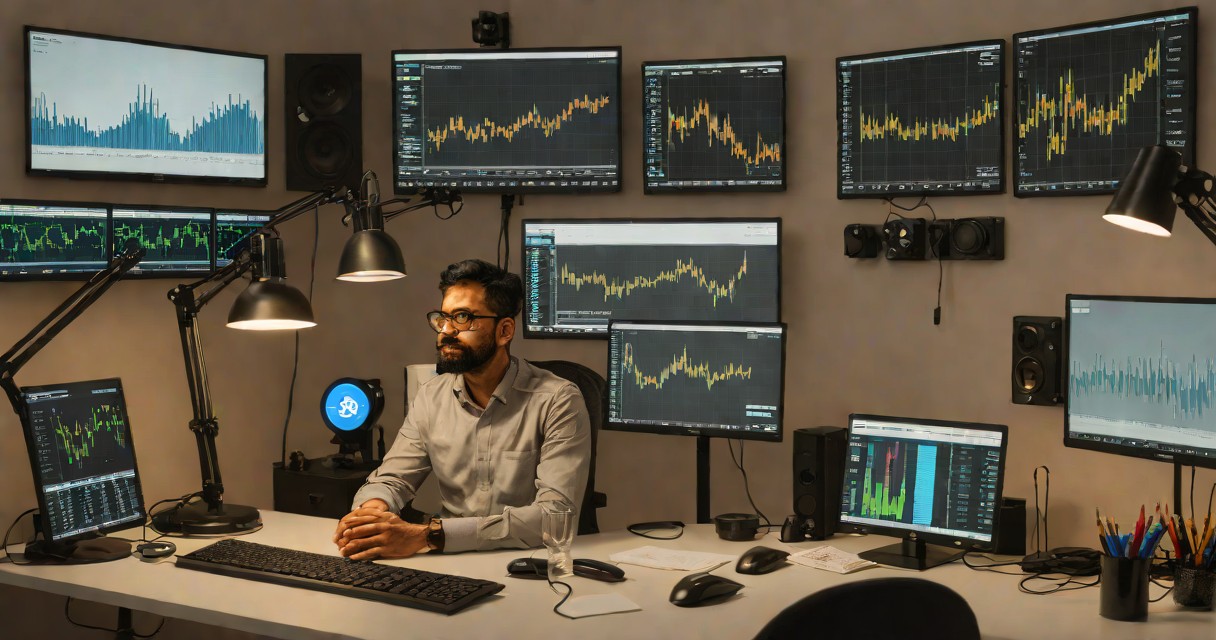
India's trading revolution was built in Bangalore. Zerodha, founded by Nithin Kamath in 2010, operates from JP Nagar. Groww, backed by Tiger Global, is headquartered in Koramangala. Upstox and several other fintech startups call Bangalore home. Together, these companies have brought over 100 million Indians into the stock market, reduced brokerage costs by 90%, and created an ecosystem where anyone with a smartphone and Rs 500 can start investing. This article goes inside Bangalore's trading fintech ecosystem, the technology behind these apps, and what they mean for Indian traders.
Table of Contents
The Bangalore Fintech Trading Ecosystem
Bangalore's dominance in trading fintech is no accident. The city has three ingredients that Mumbai lacks for tech startups: abundant software engineering talent (1.5 million IT professionals), a startup culture that encourages disruption, and venture capital firms actively looking for fintech investments.
The result: while Mumbai houses the exchanges and traditional brokers, Bangalore houses the companies that are democratizing access to those exchanges. The division is clear. Mumbai is finance. Bangalore is tech. When they collide, you get companies like Zerodha that are registered as brokers in Mumbai but built and operated from Bangalore.
| Company | HQ Location | Users | Founded | Key Innovation |
|---|---|---|---|---|
| Zerodha | JP Nagar | 10M+ active | 2010 | Zero brokerage, Kite API |
| Groww | Koramangala | 8M+ active | 2017 | Simplified mutual funds + stocks |
| Upstox | Mumbai (tech in BLR) | 5M+ active | 2012 | Low-cost trading, Pro platform |
| Smallcase | Indiranagar | 4M+ users | 2016 | Theme-based stock baskets |
| Kuvera | HSR Layout | 2M+ users | 2017 | Direct mutual fund investing |
| INDmoney | HSR Layout | 3M+ users | 2019 | All-in-one finance app |
Zerodha: The Pioneer That Changed Everything
Before Zerodha, Indian brokers charged Rs 20-50 per trade or 0.1-0.5% of trade value. A person making 10 trades per day on Rs 1 lakh capital could pay Rs 200-500 daily in brokerage alone. Zerodha introduced flat Rs 20 per trade (now Rs 20 or 0.03%, whichever is lower) and completely free equity delivery trades.
The impact was transformational. India went from 30 million demat accounts in 2015 to over 150 million in 2026. Zerodha alone has over 10 million active trading accounts. Their Kite trading platform, built by a Bangalore engineering team, is used by more Indians than any other trading interface.
Kite Connect API: Perhaps Zerodha's most impactful contribution to the Bangalore ecosystem. The API allows developers to build automated trading systems, third-party apps, and algorithmic strategies on top of Zerodha's infrastructure. Over 5,000 active API users (mostly in Bangalore) have built everything from simple alert systems to complex ML-driven trading bots.
Zerodha Varsity: Free financial education platform with over 10 million users. The content covers everything from basics to advanced options Greeks, all written in accessible language. This has been a critical tool in educating the new generation of Indian traders.
Groww: Simplifying Investing for Everyone
Where Zerodha targeted active traders, Groww targeted first-time investors. Founded in 2017 by four ex-Flipkart employees in Koramangala, Groww made mutual fund investing as simple as ordering food on Zomato. Their UX design, informed by Bangalore's consumer tech DNA (Flipkart, Swiggy, Ola), removed every friction point from the investment process.
Groww then expanded into stocks, F&O, and US stocks. Their zero-brokerage model on delivery trades and intuitive interface attracted millions of young Indians who might never have opened a demat account otherwise. The company raised over $250 million in funding and was valued at $3 billion in 2022.
Other Key Players from Bangalore
Smallcase: Instead of picking individual stocks, Smallcase lets you invest in professionally curated baskets of stocks around themes like EV revolution, digital India, or rising rural demand. Built in Indiranagar, Smallcase integrates with Zerodha, Groww, and other brokers. Over 200 portfolio managers create smallcases, and 4 million+ users have invested through the platform.
Kuvera: Focused on direct mutual fund investing (saving 0.5-1% in distributor commissions), Kuvera from HSR Layout has built a loyal user base of cost-conscious investors. Their portfolio analysis tools are among the best in India.
Sensibull: Options analytics platform that integrates with Zerodha. While based in Mumbai, many of its developers are in Bangalore. The tool provides options strategy builders, payoff diagrams, and IV analysis that options traders across India depend on.
Impact on Indian Trading
| Metric | Pre-Bangalore Fintech (2015) | Post-Bangalore Fintech (2026) | Change |
|---|---|---|---|
| Active demat accounts | 30 million | 150+ million | +400% |
| Average brokerage per trade | Rs 30-50 | Rs 0-20 | -60 to 100% |
| Median investor age | 42 years | 29 years | -13 years |
| Monthly SIP flows | Rs 3,000 crore | Rs 18,000+ crore | +500% |
| F&O daily turnover | Rs 10 lakh crore | Rs 50+ lakh crore | +400% |
| Mobile trading % | 15% | 85% | +70 points |
The democratization of trading is Bangalore fintech's greatest achievement. A college student in Lucknow can now trade Nifty options with the same tools that a professional in Mumbai uses. A farmer in Punjab can invest in mutual funds through Groww with a few taps. This was unimaginable a decade ago.
For international markets, this revolution is extending through platforms like Exness and XM that offer forex and commodity trading with UPI deposits. As Bangalore fintech companies continue building bridges between Indian and global markets, the opportunity set for Indian traders will only expand.
Working in Trading Fintech in Bangalore
| Role | Company Type | Salary Range | Skills Needed |
|---|---|---|---|
| Frontend Developer | Trading platform | Rs 12-30 LPA | React, WebSocket, real-time UI |
| Backend Engineer | Broker tech | Rs 15-40 LPA | Go/Java, low-latency, distributed systems |
| Data Engineer | Analytics platform | Rs 12-25 LPA | Spark, Kafka, time-series DB |
| Product Manager | Fintech startup | Rs 18-40 LPA | Trading domain, UX, metrics |
| Quant Developer | Algo/Research | Rs 20-60 LPA | Python, stats, ML |
| DevOps/SRE | Exchange interface | Rs 15-30 LPA | AWS, monitoring, 99.99% uptime |
Bangalore trading fintech companies are among the best-paying employers in the city. Zerodha, in particular, is known for competitive salaries and a culture that values engineering excellence. Job listings appear on LinkedIn, AngelList, and the companies' own career pages.
What Is Next for Bangalore Trading Fintech
AI-Powered Trading Assistants: Several Bangalore startups are building AI that analyzes your portfolio and suggests trades based on your risk profile. Think ChatGPT for trading decisions.
Cross-Border Trading: Groww already offers US stock trading. The next step is seamless access to global markets including forex, European stocks, and crypto. Integration with international brokers like Exness for forex could be a logical extension.
Social Trading: Copy-trading features where beginners can automatically replicate the trades of successful traders. This model, already popular on Exness with their Social Trading feature, is being adapted for Indian markets by multiple Bangalore startups.
Frequently Asked Questions
Why are most Indian trading apps built in Bangalore?
Bangalore has India's largest concentration of software engineers, a startup culture that encourages disruption, and access to venture capital. The combination of tech talent and startup ecosystem makes it the natural home for fintech innovation.
Which Bangalore trading app is best for beginners?
Groww is the most beginner-friendly due to its simplified interface. For active trading, Zerodha Kite offers more features. Both are free for equity delivery trades.
Can I trade forex through Bangalore fintech apps?
Indian fintech apps primarily focus on NSE/BSE securities. For forex trading, international platforms like Exness and XM offer the best experience with UPI deposits and dedicated support for Indian traders.
How has Bangalore fintech changed trading in India?
Bangalore fintech reduced brokerage costs by 60-100%, brought 120 million new investors to the market, lowered the median investor age from 42 to 29, and made trading accessible from any smartphone.