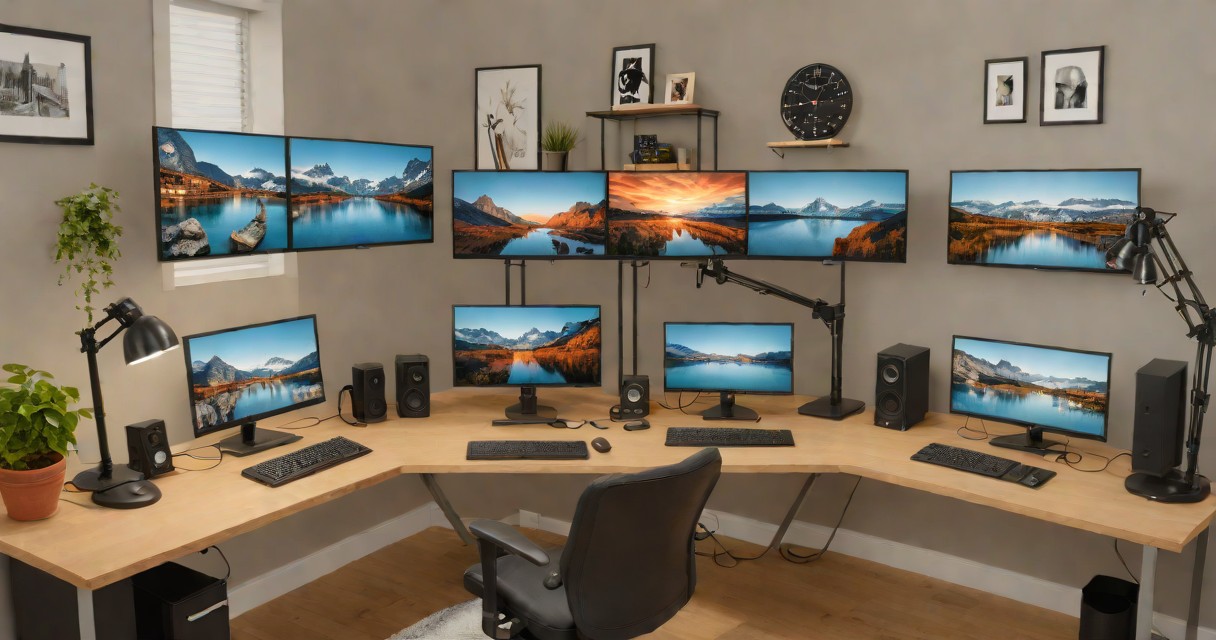
The Uncomfortable Truth About Full-Time Trading in India
Every month, thousands of Indian professionals — software engineers, chartered accountants, MBAs, government employees — fantasise about quitting their jobs to trade full-time. The appeal is obvious: be your own boss, work from home, no office politics, unlimited income potential. YouTube channels showing traders making Rs 50,000 in a single morning make it look easy.
Here is the reality. According to SEBI's 2025 study of individual F&O traders, 89% lost money. Of the 11% who were profitable, the median annual profit was Rs 1.5 lakh — less than a junior IT professional's monthly salary. The top 1% of profitable traders earned well, but the distribution is brutally skewed. You are far more likely to join the 89% than the top 1%.
This does not mean trading as a career is impossible. It means you need to go in with accurate expectations, adequate preparation, and a financial runway that most aspiring traders underestimate.
Income Expectations: What Full-Time Traders Actually Earn
Let me be specific with numbers, because vague statements like "you can earn well" are useless.
| Trader Category | Typical Capital | Annual Return (Consistent) | Annual Income Before Tax | Monthly Equivalent |
|---|---|---|---|---|
| Beginning (Year 1-2) | Rs 5-10 lakh | -10% to +5% | Loss to Rs 50,000 | Loss to Rs 4,000 |
| Intermediate (Year 3-4) | Rs 10-25 lakh | 10-20% | Rs 1-5 lakh | Rs 8,000-40,000 |
| Experienced (Year 5+) | Rs 25-75 lakh | 15-30% | Rs 4-22 lakh | Rs 30,000-1.8 lakh |
| Professional (Year 8+) | Rs 1 crore+ | 20-40% | Rs 20-40 lakh | Rs 1.7-3.3 lakh |
Notice the pattern: it takes Rs 25+ lakh of trading capital AND 5+ years of experience to match a mid-level IT professional's salary. The compounding effect means that trading becomes a viable career only when your capital base is large enough that modest percentage returns translate into meaningful absolute income. A 25% annual return on Rs 5 lakh is Rs 1.25 lakh. The same 25% on Rs 50 lakh is Rs 12.5 lakh. Same skill, ten times the income — the difference is capital.
Skills You Actually Need (Not What YouTube Tells You)
Trading courses and YouTube influencers emphasise chart patterns, indicators, and "secret strategies." These matter, but they are maybe 20% of what determines success. The other 80%:
- Risk management: The ability to size positions correctly, set stops without flinching, and accept small losses as a cost of business. This is not intellectual — it is emotional and behavioural. Most people cannot watch Rs 10,000 disappear from their account without making irrational decisions. Until you can, you are not ready for full-time trading.
- Statistical thinking: Understanding that a 60% win rate strategy will still produce 6-8 consecutive losses over 100 trades. If that sequence will make you abandon your systematic approach, your strategy is not the problem — you are.
- Patience: Professional traders spend 70-80% of their time waiting. Waiting for setups, waiting for entries, waiting for targets. The urge to "do something" when there is nothing to do is what drives overtrading — the single biggest account killer.
- Business management: Tax planning, record-keeping, cash flow management, expense control. As a full-time trader, you are a one-person business. The tax implications alone require careful planning.
- Adaptability: Markets change regimes. What worked in the trending market of 2024 stopped working in the range-bound market of early 2025. Full-time traders need to recognise regime changes and adjust their strategies accordingly — not stubbornly keep applying the same approach.
The Financial Runway: How Much Savings You Need Before Quitting
This is where most aspiring full-time traders fail to plan. You need two separate pools of money:
- Trading capital: The money in your trading account. Minimum Rs 10 lakh for swing trading, Rs 25 lakh for F&O trading, and Rs 50 lakh+ if you want trading income to replace a professional salary.
- Living expenses buffer: Minimum 18-24 months of monthly expenses in a separate savings account or liquid fund. If your monthly expenses are Rs 50,000, you need Rs 9-12 lakh set aside that you NEVER touch for trading. This buffer exists because you will have drawdown months — sometimes several in a row — and you cannot afford to withdraw from your trading capital to pay rent.
Total minimum: Rs 20-35 lakh (trading capital + buffer) before you consider quitting your job. If you have less than this, continue trading part-time while building your capital. There is no shortcut here.
A Realistic 3-Year Transition Plan
Year 1: Build the Foundation (Keep Your Job)
- Open accounts on Zerodha and one international broker (Exness for forex practice with small capital)
- Complete Zerodha Varsity modules (free, covers everything from basics to options)
- Paper trade for 2 months, then start live trading with Rs 1-2 lakh
- Maintain a detailed trading journal — every trade, every emotion, every mistake
- Target: develop and test one swing trading strategy with at least 100 trades in the journal
Year 2: Scale and Validate (Keep Your Job)
- Increase capital to Rs 5-10 lakh based on Year 1 performance
- Add a second strategy (possibly forex evening trading through XM or Exness)
- Start tracking monthly P&L consistently. You need 12 months of live trading data showing net profitability
- Build your living expenses buffer in parallel — automate SIP into liquid funds
- Target: 12 consecutive months of live trading data with profit factor above 1.3
Year 3: The Transition
- If Year 2 results meet targets AND you have the financial runway, consider the transition
- Option A: Negotiate a 4-day work week or part-time arrangement with your employer. Trade on the fifth day and evenings.
- Option B: Take a sabbatical (3-6 months) to trade full-time as a trial. If it works, make it permanent. If not, return to work with zero financial damage.
- Option C: Quit and go full-time. Only do this if you have 24 months of expenses saved AND your Year 2 trading income exceeds 50% of your salary.
The Daily Life of a Full-Time Indian Trader
Forget the Lamborghini lifestyle. Here is what the routine actually looks like for a profitable full-time trader in India:
- 7:00 AM: Review global cues — Dow Jones, S&P 500 futures, GIFT Nifty, Asian markets opening. Check economic calendar for the day.
- 8:30 AM: Finalise watchlist and review open positions. Set alerts and orders for the day.
- 9:15-9:45 AM: Active monitoring during opening 30 minutes. Execute pre-planned trades. Do NOT react to noise.
- 9:45 AM-2:30 PM: Periodic check every 30-60 minutes. Adjust trailing stops if needed. The rest of the time: exercise, read, personal projects. Sitting and watching every tick is counterproductive.
- 2:30-3:30 PM: Last hour monitoring. Close intraday positions. Review any swing trade setups forming at close.
- 4:00-5:30 PM: Post-market analysis. Update journal. Run screeners on Tickertape and ChartInk. Prepare for tomorrow.
- 7:00-10:00 PM (optional): Forex trading during London-NY overlap if you trade international markets.
Total active trading time: 3-5 hours. Total screen time including analysis: 5-7 hours. The rest of the day is yours — and this freedom is the real benefit of full-time trading, not the income.
When NOT to Pursue Trading as a Career
Be honest with yourself. Do not quit your job to trade full-time if:
- You have been trading for less than 2 years with real money
- Your trading capital is below Rs 15 lakh
- You do not have 18+ months of living expenses saved separately
- You are the sole income earner for your family
- You have EMIs (home loan, car loan) that depend on a stable salary
- Your motivation is primarily to escape a bad job (fix the job problem separately)
- You have never experienced a 15%+ drawdown and do not know how you will react
Health Insurance, Emergency Fund, and Other Basics People Forget
When you quit your job, you lose employer-provided health insurance. A family floater health insurance plan costs Rs 15,000-30,000 per year for a Rs 10-15 lakh cover. This is non-negotiable — a single hospitalisation without insurance can wipe out 6 months of trading profits.
Beyond health insurance, full-time traders need:
- Emergency fund: Rs 3-5 lakh in a separate savings account or liquid fund, beyond your living expenses buffer and trading capital. This covers genuine emergencies — car repair, family medical costs, home maintenance — without touching your trading money.
- Term life insurance: If you have dependents, a Rs 1 crore term plan costs Rs 10,000-15,000 per year at age 30. Your family cannot pay bills from your trading strategy after you are gone.
- Retirement planning: Without an employer EPF contribution, you need to self-fund retirement. Start a PPF account (Rs 1.5 lakh/year limit, tax-free returns) and consider NPS for additional tax-efficient retirement savings.
These are the boring, unsexy aspects of full-time trading that no YouTube channel discusses. They are also what separates professionals who sustain a 20-year career from enthusiasts who burn out after 2 years.
Trading can be a rewarding career for those with the capital, temperament, and preparation. But the path to getting there is longer, harder, and less glamorous than anyone on social media will tell you. Start the 3-year plan today, keep your salary for now, and let the data — not the dream — guide your decision.