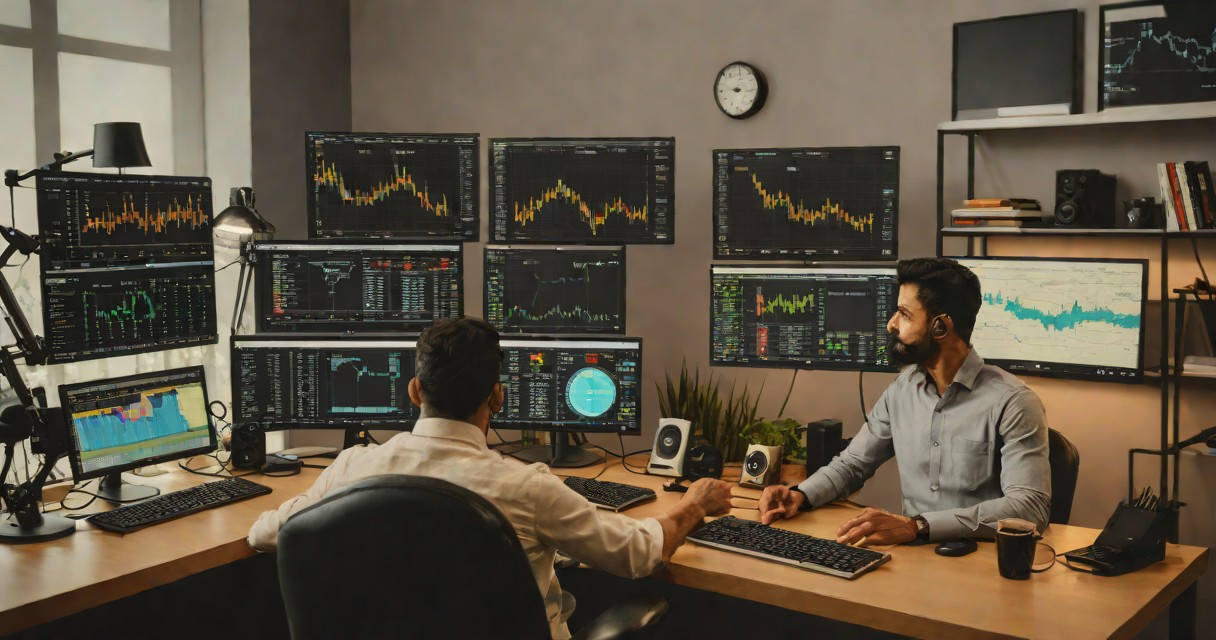
Chennai's Trading DNA: A City Built on Calculated Risk
Chennai has always had a complicated relationship with money. Conservative enough to prioritise gold and fixed deposits, but commercially aggressive enough to build South India's largest industrial base. This duality shows up in its trading community — Chennai traders tend to be methodical, research-heavy, and risk-averse compared to the more aggressive trading cultures of Mumbai or Ahmedabad. And that conservatism, as it turns out, is an edge.
The city's trading ecosystem in 2026 is shaped by three forces: a massive IT corridor (OMR, Sholinganallur, Siruseri) that produces technically skilled traders comfortable with data and automation, a traditional Chettinad merchant community with deep financial literacy passed down through generations, and growing Tamil-language trading education that is bringing market participation to a broader demographic.
What follows is not a generic trading guide with Chennai pasted in. This is about how the city's specific culture, infrastructure, and communities shape the way people trade here.
The Chettinad Influence: How Merchant Families Approach Markets
The Nattukotai Chettiars (Nagarathars) have been merchant bankers for centuries, financing trade across Southeast Asia from their base in Chettinad. Their descendants in Chennai carry a financial DNA that is distinct from the rest of India's retail trading population.
Key traits of the Chettinad trading approach that modern Chennai traders have inherited:
- Capital preservation first: Chettiar businesses historically operated on the principle that protecting capital matters more than maximising returns. In trading terms, this translates to smaller position sizes, tighter stop losses, and a willingness to sit in cash when conditions are unclear. The community tends to avoid F&O heavy strategies in favour of equity delivery and swing trading.
- Gold as core allocation: Chennai is India's largest gold market by weight. Many Chettinad families maintain 20-30% of their portfolio in physical gold and gold ETFs — a natural hedge during market corrections. This is why you see more interest in gold investment strategies in Chennai trading circles than in Bangalore or Pune.
- Community-based knowledge sharing: Trading knowledge in Chettinad families is shared through informal networks — family gatherings, community meetings, and trusted circles. This has evolved into WhatsApp groups and private Telegram channels, but the operating principle remains: trust the network, be sceptical of outsiders selling courses.
The OMR-Sholinganallur Tech Trading Hub
Old Mahabalipuram Road (OMR), stretching from Perungudi to Siruseri, is Chennai's answer to Bangalore's Whitefield. With campuses of Infosys, TCS, Cognizant, HCL, Zoho, and Freshworks, the IT corridor has produced a generation of technically literate traders who approach markets the same way they approach code: with data, backtesting, and automation.
What makes the OMR trading community distinct from Bangalore's tech traders:
- Stronger F&O participation: Chennai's IT traders lean more towards options selling strategies than Bangalore's, possibly influenced by the conservative risk culture. Iron condors, jade lizards, and credit spreads on Nifty weekly options are the bread-and-butter strategies discussed in OMR trading groups.
- Tamil-language learning resources: While Bangalore's trading community operates almost entirely in English, Chennai has a robust Tamil trading education ecosystem on YouTube. Channels like "Trading Tamil" and community-run Discord servers conduct technical analysis sessions in Tamil, making the content accessible to a wider audience.
- After-hours forex interest: Like Bangalore, Chennai's IT professionals trade forex after NSE hours. The London-New York session overlap (7:00 PM - 10:30 PM IST) is the preferred window. Exness and XM are the most popular international brokers among Chennai traders, largely because of UPI deposit support and responsive customer service.
Local Trading Meetups and Communities
Chennai's trading community is more fragmented than Mumbai's or Bangalore's but deeply passionate. Here are the active communities as of 2026:
| Community | Type | Meeting Location | Focus | How to Join |
|---|---|---|---|---|
| Chennai Traders Club | WhatsApp + monthly meetup | Rotating: Adyar, T Nagar, OMR | Equity swing trading, F&O | Referral from existing member |
| OMR Options Traders | Telegram + biweekly meetup | Cafes near Thoraipakkam | Nifty/Bank Nifty options | Search Telegram for group name |
| Tamil Trading Discord | Discord server | Online (Tamil language) | Technical analysis, education | Open join via Discord search |
| Mylapore Investment Circle | Monthly physical meetup | Mylapore (various venues) | Long-term investing, dividend stocks | Contact via Facebook group |
| NSE Academy Chennai | Formal courses | NSE office, Nungambakkam | Certification courses | Register at nseindia.com |
The Mylapore Investment Circle deserves special mention. Started by a group of retired professionals in 2019, it has grown into one of Chennai's most respected investment discussion forums. The monthly meetups (typically on the first Saturday at a community hall near Mylapore tank) feature presentations by members on specific stocks, portfolio reviews, and guest speakers. The group maintains a strictly no-tips culture — every recommendation must be backed by fundamental analysis.
The GIFT City Factor: Chennai Traders and International Access
GIFT City (Gujarat International Finance Tec-City) has opened up a regulated avenue for Indian traders to access international markets. Several Chennai-based traders now trade US equities and global ETFs through GIFT City-registered brokers, supplementing their NSE trading. The proximity of NSE IFSC (International Financial Services Centre) to India's regulatory framework makes this an appealing option for traders who want international exposure without the LRS hassle of remitting to offshore brokers.
Popular Brokers in Chennai
Zerodha dominates Chennai's retail trading market, as it does nationally. But Chennai has notable local preferences:
- Zerodha: Market leader. Most used by tech professionals on OMR. The Zerodha Varsity Tamil YouTube content has strong adoption here.
- Angel One: Second most popular, particularly among newer traders attracted by the zero-brokerage equity delivery offering and the SmartAPI for automation.
- ICICI Direct: Surprisingly popular among Chennai's older trading demographic — Mylapore, Adyar, and T Nagar traders who opened accounts when ICICI Direct was the only credible online option. Brokerage is higher, but the trust factor keeps them.
- Sharekhan: Has a physical presence in Chennai with branches in Anna Nagar and T Nagar. Popular with traders who want a physical office to walk into for support.
Tamil-Language Trading Resources
The explosion of Tamil trading content since 2023 has democratised market education for non-English speakers in Tamil Nadu. Key resources:
- YouTube channels: Multiple Tamil trading channels with 100K+ subscribers cover daily market analysis, technical concepts, and strategy tutorials. The quality varies — look for channels that show documented P&L rather than hypothetical projections.
- Trading books in regional languages: Several Tamil translations and original Tamil books on share market basics are available on Amazon India and local bookstores in T Nagar's Higginbothams.
- NSE Academy Tamil courses: NSE's certification courses have Tamil language options for some modules. Study materials in Tamil are provided by several coaching centres in Chennai.
Coworking and Trading Spaces in Chennai
- WeWork (Perungudi): Full setup with fast internet. Several full-time traders use it as their base. Monthly hot desk around Rs 8,000-12,000.
- GoFloaters: App-based coworking booking with multiple locations across Chennai. Book by the day, no commitment. Rs 300-500 per day.
- Home setups: Chennai's relatively affordable housing (compared to Mumbai or Bangalore) means many full-time traders operate from home in areas like Velachery, Medavakkam, and Porur. A 2BHK with a dedicated trading room is available for Rs 15,000-25,000/month rent.
Chennai-Specific Trading Considerations
- Cyclone season internet disruption: October-December brings cyclone risk. Power cuts and internet outages during the northeast monsoon season can disrupt trading. Invest in UPS backup (Rs 5,000-15,000) and maintain a mobile hotspot from a different provider as redundancy.
- MCX commodity trading: MCX evening session (5:00 PM - 11:30 PM IST) has strong participation from Chennai, particularly in gold futures. The city's gold affinity creates natural interest in commodity markets.
- Bank remittance for forex: Nationalised banks with strong Chennai presence (Indian Bank, Indian Overseas Bank, City Union Bank) have established LRS remittance desks. If you are sending money to international forex brokers, these banks sometimes process remittances faster than private bank branches.
Commodity Trading: Chennai's MCX Connection
Chennai has a strong commodity trading tradition that goes beyond gold. The city's proximity to agricultural regions (paddy from the Cauvery delta, spices from Kerala, and cotton from Tamil Nadu) creates natural interest in agricultural commodity futures. MCX and NCDEX see meaningful participation from Chennai-based traders, particularly in gold mini contracts, crude oil, and natural gas.
The MCX evening session (5:00 PM to 11:30 PM IST) is ideal for Chennai traders who work in the IT corridor during NSE hours. Several OMR-based traders run dual strategies: equity swing positions managed through GTT orders during the day, and commodity futures in the evening. Gold futures are the favourite — fitting given Chennai's cultural affinity with the metal. A 1-lot gold mini contract on MCX requires approximately Rs 30,000-40,000 margin and moves Rs 100 per Rs 1 price change, making it accessible for traders with moderate capital.
For Chennai traders interested in international commodity exposure, Exness offers gold (XAUUSD), crude oil, and natural gas CFDs with lower margin requirements than MCX and 24-hour trading availability. The difference in pricing between MCX gold and international spot gold also creates occasional arbitrage opportunities that quantitative traders in Chennai's tech community actively exploit.
Chennai's trading scene is maturing rapidly. The combination of tech talent from the IT corridor, traditional financial wisdom from merchant communities, and growing Tamil-language education is creating a trading ecosystem that is distinctly Chennai ��� conservative, data-driven, and quietly profitable. Lean into those strengths rather than trying to replicate the high-frequency aggression of Mumbai's trading culture.